

Decoding the Science: What Are Antioxidants and Why Do They Matter?
To appreciate the power of dried fruit, we must first understand its microscopic defenders: antioxidants.
The Battle Against Free Radicals
Oxidative stress occurs when there is an imbalance between the production of unstable molecules called free radicals and the body’s ability to counteract or detoxify them. Free radicals, often byproducts of normal metabolism or exposure to pollution and UV light, damage cells, proteins, and DNA. This damage is linked to aging and chronic diseases.
The Role of Antioxidants
Antioxidants are the molecules that neutralize these free radicals. They stabilize the free radical by donating an electron without becoming unstable themselves. In essence, they act as biological shields for your cells.
Key Antioxidant Compounds in Produce
In fruits, the most powerful antioxidant compounds belong to two main classes:
- Phenolic Compounds (Total Phenolics): A broad category, these include lignans and phenolic acids.
- Flavonoids: These are further broken down into subclasses like anthocyanins (responsible for blue/red colors) and flavonols.
The darker and more intensely colored the fruit, both fresh and dried, the higher its potential antioxidant capacity tends to be.
The Dehydration Effect: Concentration vs. Degradation
A common misconception is that drying fruit destroys all its nutritional value. The reality is more nuanced, particularly concerning antioxidants.
Concentration: The Water Removal Advantage
When water is removed from fresh fruit (which is often 80-90% water), the remaining solids—sugars, fiber, and crucially, antioxidants—become significantly more concentrated by weight. If a fresh plum has X amount of antioxidants per 100g, its dried counterpart will have much higher X because the weight is drastically reduced. This makes dried fruits a highly convenient source of these compounds.
Degradation: Heat, Light, and Oxygen
However, the drying process itself can cause some loss. Antioxidants, especially Vitamin C (ascorbic acid), are sensitive to heat, light, and prolonged exposure to oxygen.
- Sun Drying: Traditional sun drying uses low heat over a long period, which can lead to moderate losses of heat-sensitive vitamins.
- Industrial Dehydration (Air/Tunnel Drying): Modern methods aim to minimize exposure time and temperature to preserve nutrient profiles, often resulting in better retention of certain antioxidants compared to traditional methods.
Key Takeaway: While some highly sensitive vitamins may decrease slightly, the overall Total Antioxidant Capacity (TAC) often increases due to concentration, provided the process avoids excessive heat damage.
The Antioxidant Champions: Ranking Dried Fruits by Punch Power
Now for the core question: Which dried fruits offer the most potent antioxidant activity? Research consistently points to darker-colored fruits due to their high concentrations of anthocyanins and proanthocyanidins.
Prunes (Dried Plums): The Reigning Heavyweight
Prunes consistently top the charts for their exceptional antioxidant profile. They are exceptionally rich in phenolic compounds.
- Why They Win: Their deep purple/black color signifies a high concentration of neochlorogenic and chlorogenic acids, powerful compounds known for their anti-inflammatory properties.
- Health Impact: Studies link high prune consumption to improved bone density markers and superior protection against lipid oxidation.
Dried Cranberries and Blueberries: Berry Power Concentrated
Berries are famous for their antioxidant content when fresh, and this benefit is magnified when dried.
- Cranberries: Famous for proanthocyanidins (PACs), which are crucial for urinary tract health. The drying process locks these beneficial PACs in.
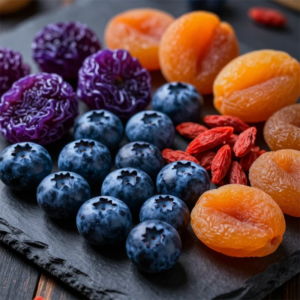
- Blueberries: Rich in anthocyanins. They require careful, low-temperature drying to retain their vibrant color and maximum protective benefits.
Dried Apricots and Dates: Steady Performers
While often less intense than prunes, apricots and dates provide significant support.
- Apricots: High in carotenoids (like beta-carotene) which function as antioxidants, supporting eye health.
- Dates: Provide good levels of flavonoids, particularly helpful for sustained energy release along with their fiber content.
Raisins (Dried Grapes): The Accessible Antioxidant Source
Raisins are perhaps the most common dried fruit, and they are surprisingly potent. They retain significant amounts of quercetin and catechins, known for their cardiovascular benefits.
Integrating Antioxidant-Rich Dried Fruits into Your Daily Diet
Understanding the science is only half the battle; the next step is practical application. How can you maximize your intake of these natural fruit preservatives?
Smart Snacking and Portion Control
Because of their concentrated sugars, dried fruits should be enjoyed in moderation (typically a serving size is about 1/4 cup). Pair them with fats or proteins (like nuts or yogurt) to slow sugar absorption and maximize satiety.
Recipe Integration for Maximum Benefit
- Breakfast Boost: Sprinkle chopped prunes or cranberries over oatmeal or mix them into homemade granola bars (linking back to the recipe theme).
- Savory Contrast: Use dried apricots or figs in savory dishes like tagines or alongside roasted chicken for a sweet-tart burst of antioxidants.
- Hydration Infusion: Add a few raisins or sour cherries to your water bottle while exercising, providing natural electrolytes and antioxidants alongside hydration.
Conclusion: Making the Healthiest Choice in Dried Fruit
Dried fruits are far more than just sweet treats; they are highly concentrated sources of powerful antioxidants like phenolics and flavonoids. By understanding that darker fruits—especially prunes—often deliver the strongest punch, you can transform your snacking habits. Always look for unsweetened varieties and choose minimally processed options to ensure you are gaining the maximum defensive health benefits these ancient foods have to offer.