

Decoding the Science: What Are Antioxidants and Why Do They Matter?
Understanding the value of dried fruit antioxidants starts with understanding the threat they combat.
The Battle Against Free Radicals
Free radicals are unstable molecules generated by metabolism, pollution, and stress. If left unchecked, they cause oxidative damage to cellular structures—this is the process known as oxidative stress. Antioxidants neutralize these radicals by safely donating an electron, effectively ending the destructive chain reaction.
Key Antioxidant Compounds in Produce
The majority of antioxidant activity in fruits comes from pigments and polyphenols. In dried fruits, key players include:
- Flavonoids: Powerful compounds found heavily in dark-skinned fruits (like prunes and raisins).
- Carotenoids: Precursors to Vitamin A, prominent in orange-hued fruits like dried apricots.
The Dehydration Effect: Concentration vs. Degradation
Does drying fruit destroy its beneficial compounds? The answer is complex, involving both concentration and minor degradation.
- Concentration Power: As water is removed, the concentration of non-water-soluble nutrients, including many antioxidants and minerals, increases significantly per gram. For example, a single dried apricot contains far more Vitamin A than a fresh one, simply because the matrix is smaller.
- The Heat Factor: The degradation of highly sensitive compounds (like Vitamin C) can occur due to the heat used in drying. However, many stable polyphenols actually remain robust, or even become slightly more available for absorption following gentle drying processes.
- Sulfite Concern: Be aware that sulfur dioxide (sulfites), often used to maintain the bright color of light fruits like apricots, can sometimes interfere with antioxidant retention or cause sensitivity in some consumers. Opting for unsulfured varieties is often recommended for maximum natural benefit.
The Antioxidant Champions: Ranking Dried Fruits by Punch Power
While testing methodologies vary, general consensus points to certain dried fruits as superior sources of free-radical fighters.
- Prunes (Dried Plums): Often ranking at the top due to their high concentration of phenolic compounds. They are exceptional for promoting gut health alongside their antioxidant boost.
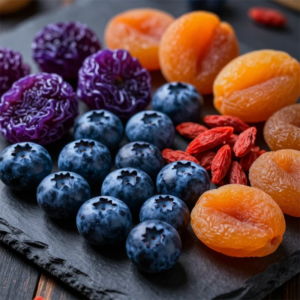
- Dried Cranberries & Blueberries: These berries retain significant levels of anthocyanins, giving them their deep color and potent anti-inflammatory properties.
- Dried Apricots: Excellent sources of carotenoids, specifically beneficial for eye health.
- Raisins (Dried Grapes): A highly accessible source of various flavonoids.
Integrating Antioxidant-Rich Dried Fruits into Your Daily Diet
Maximizing the health benefits of dried fruit requires intentional incorporation into regular meals, positioning them as dried superfoods.
- Breakfast Boost: Add a small handful of prunes or dried cherries to oatmeal. For better absorption, pair them with a source of Vitamin C (like fresh orange slices), which enhances the bioavailability of certain antioxidants.
- Snack Swaps: Replace processed snacks with raw nuts mixed with unsulfured apricots. The fats in the nuts also help absorb fat-soluble antioxidants present in the fruit.
- Hydration Power: Create infused water by soaking raisins or dried figs overnight. This provides a subtle sweetness and a slow release of nutrients.
Conclusion: The Power of Dried Fruit
Dried fruit is far more than just a sweet treat; it is a convenient, shelf-stable delivery system for powerful antioxidants. By understanding which fruits offer the strongest punch—with prunes and dark berries leading the pack—and by choosing minimally processed options, you can effectively integrate these natural fruit preservatives into your lifestyle. Embrace dried fruit as a cornerstone of your daily dried superfoods intake to combat oxidative stress proactively.